My high school had a long-standing tradition of pairing form ones, or “freshers,” with school mums. These were form two students who oriented us to the school layout, programs, and routines, and helped ease our transition. Early on, interactions and relationships formed around these school mums and their circles. As time passed, freshers bonded over subject choices, personality types, hobbies, where we lived, and beliefs. Soon enough, cliques started to develop.
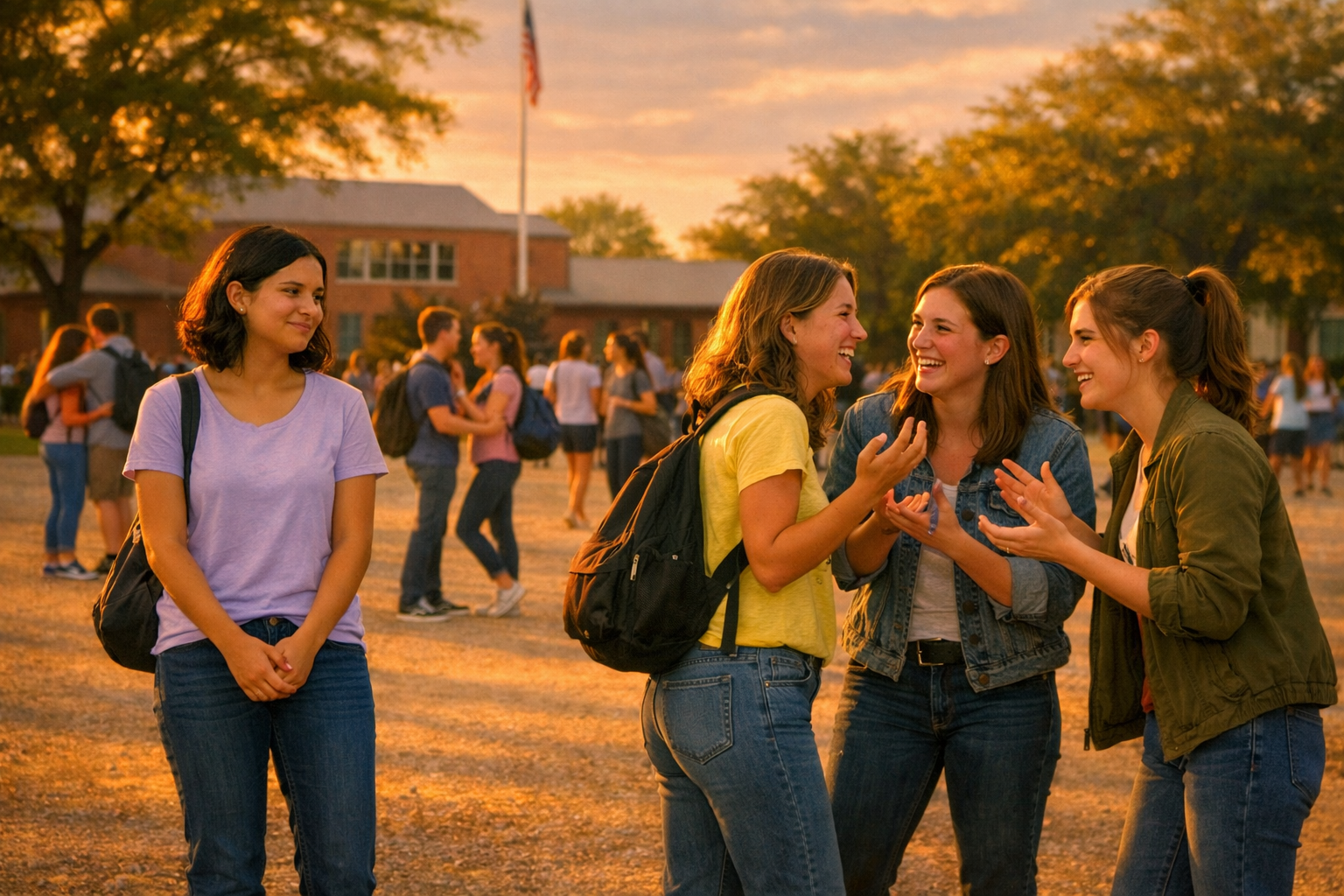
High school cliques. In the words of Edna Buchanan, “Friends are the family we choose.” Those choices were shaped not only by personality but also by circumstance. The fun‑loving, energetic, talkative girls, often from well‑to‑do families, formed the outgoing group. These gravitated towards clubs like debate, sports, and drama. The cool kids were reserved and studious. They preferred laid‑back clubs like Red Cross, Girl Guides, and music, and carried themselves with quiet confidence. The religious group was deeply attuned to Christian values. They embodied the school’s Christ‑centered mission through CU, praise and worship, and outreach. Finally, there was the no-friends group. This was where I found myself, not quite fitting into any of the other categories.
Booking seats. By year two, the classroom seating reflected these groups. The studious kids preferred the front row and side seats to avoid distractions and make quick exits. The cool kids chose the middle and back rows where they could focus yet still chat. The no-friends group waited for everyone else to pick their spots and filled in the gaps, often in the middle. That worked for me, since I could avoid the teacher’s attention.
The same pattern played out in the TV room. On weekends, we scrambled for seats to watch Mexican soap operas. Group members who arrived early used their bags and sweaters to hold prime spots for friends. I never saw the point of arriving early just to book a seat, so I always ended up at the back, perching to see over taller girls’ heads. I was quite lucky that the seating in the dining hall was organized around school families, freshers, their mums, and their mums’ mums. So, I never ate alone.
Birthday rituals. The rituals felt more like suffering than celebration. I’ll never forget Jane’s birthday. I was walking down from the dorm area toward the classrooms for evening prep when I heard noises outside followed by a loud scream. As I got closer, I realized Jane’s friends had drenched her with cold water on a chilly evening. She ran toward the hedge and sat there while her friends sang the “Happy Birthday” chorus. Suddenly, she let out a shriek and bolted from the hedge. Unknowingly, safari ants had crawled up her body and were now biting her. The painful cries subdued the happy song as her friends rushed to help. They pulled her away, helped her change clothes, and soon they burst out laughing before we all settled down for prep. I would never have wished for that kind of distress, but it would have been nice to have friends organize even a small surprise for me. No one even knew my birthdate, not even my school mum.
Checking in. Friend groups were attuned to each other’s emotional normalcy and quick to notice mood changes. I still remember when one of my desk mates was away for about a week on sick leave. Once she resumed classes, her friends checked on her regularly to ensure she was okay and caught her up on notes and homework. I often wished someone cared for my well-being like that.
Nonetheless, being outside a group had its pros. While friends had to consult before making plans and wait on each other to move, I had autonomy and independence.
If navigating friendships with the girls was already difficult, how complicated would it be with the boys? Let’s find out in the next chapter.


Leave a Reply